Why It Matters
A plain-language guide for American lamb businesses on the Section 201 safeguard case — and how to keep your supply steady, serve your customers, and protect jobs.
What is happening
Some U.S. sheep producers argue that imported lamb has surged and injured American producers, and they have asked the federal government for relief that could restrict imports. In July 2026, the Office of the U.S. Trade Representative (USTR) asked the U.S. International Trade Commission (ITC) to open a Section 201 safeguard investigation into imported lamb.
The investigation covers fresh, chilled, or frozen lamb meat. Live lambs and sheep, and meat from mature sheep (mutton), are outside its scope.
Once the Commission institutes the investigation and opens its evidence-gathering, the windows to respond will be short — and all foreign producers and U.S. producers of lamb meat, as well as all U.S. importers and U.S. purchasers, should complete the relevant questionnaires, whether you receive them directly from the ITC or not.
If your business depends on a reliable lamb supply, your information can help shape what the ITC sees.
Roughly three-quarters of 2025 U.S. lamb supply was imported. Domestic production cannot replace that volume in the near term; imports fill the gap that keeps lamb on American shelves and menus.
The ITC
The U.S. International Trade Commission — the independent federal agency that investigates whether imports are seriously injuring a domestic industry. It gathers evidence, makes a decision, and recommends a remedy to the President. The President makes the final call on whether and how to act.
Section 201
The safeguard law under the Trade Act of 1974. Unlike an antidumping or anti-subsidy case, it requires no finding of unfair trade activity by anyone. It asks only whether imports have increased so much to be a substantial cause of serious injury, or threat of serious injury, to a U.S. industry.
A safeguard remedy
Usually tariffs, quotas, or tariff-rate quotas — a set volume allowed in at a lower duty, with a higher duty above it — typically for four years and extendable to eight. The ITC recommends a remedy only if it finds serious injury or threat of serious injury. The President makes the final call on whether and how to act.
Why this affects your business
Everyone who buys, sells, processes, or serves lamb has a direct stake in whether lamb stays reliably available, and affordable. That's your supply, your customers, your margins, and your workers' jobs.
U.S. producers are already selling into a strong market, with no quick way to add the animals, processing capacity, cuts, specifications, and year-round reliability that buyers need.
So import restrictions would not simply move buyers from imported lamb to American lamb. In many cases they would mean less lamb consumption overall. When lamb gets scarce or expensive, customers don't wait — they move to chicken, beef, pork, or another protein option on the menu or the shelf. Retailers give the space to a more reliable protein, restaurants scale back lamb features, and shoppers buy lamb less often. Demand falls — which ultimately hurts domestic producers too, not just importers.
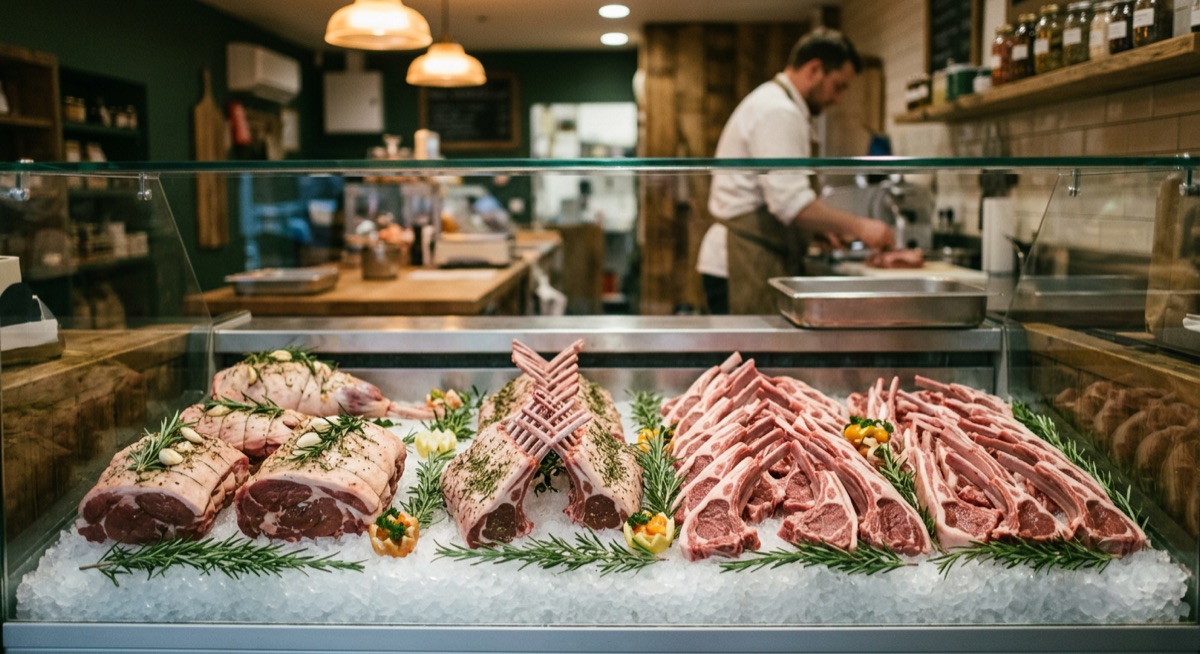

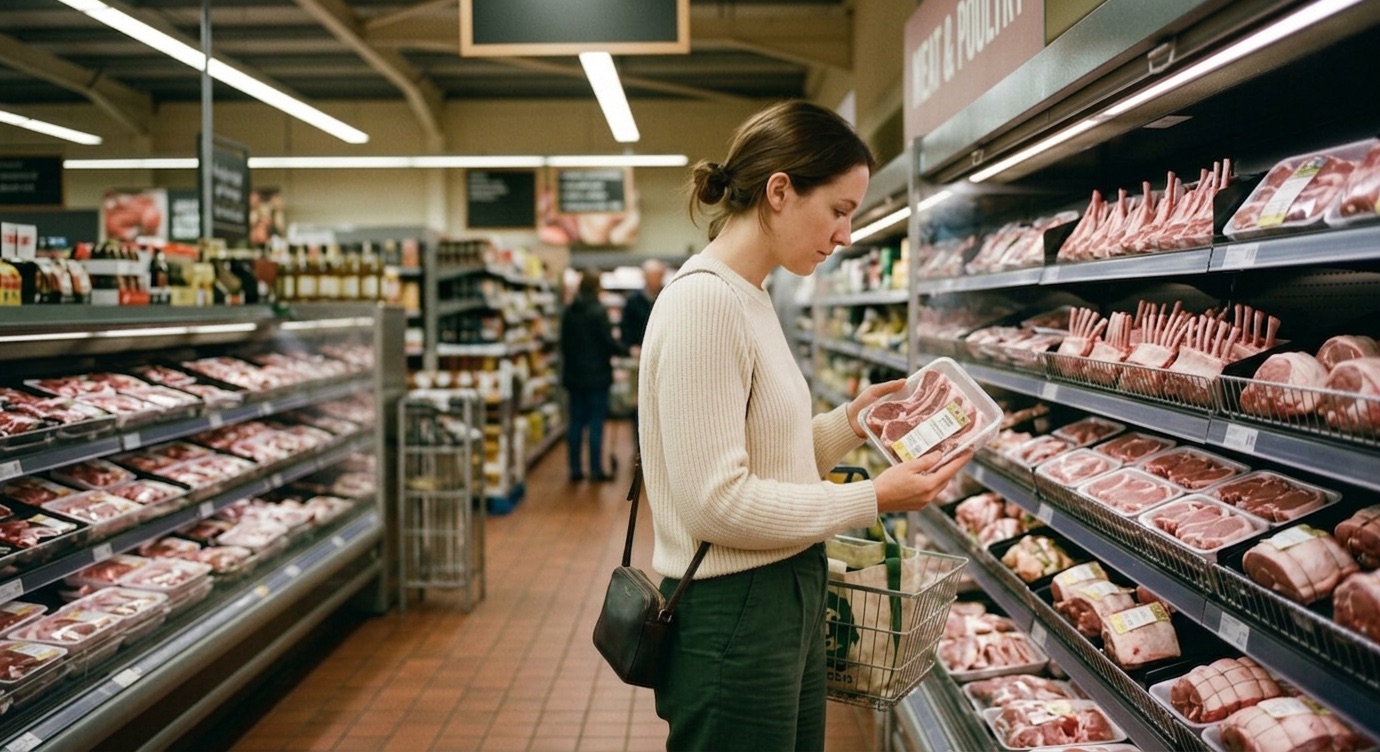
Supply, structure, and the chance to grow the market
The U.S. sheep flock, in decline for decades — from ~56M head in the 1940s to ~5M head, a record low, today.
A previous lamb safeguard in 1999 did not materially reverse the flock's long-term decline, because import limits don't change wool returns, scale, labor, or processing capacity.
Americans eat only about 1.5 pounds of lamb per person annually — far less than chicken or beef.
According to Steiner Consulting industry analysis, the decline is structural — the collapse of wool economics, a small and fragmented producer base, labor and scale constraints, and competition from cheaper proteins.
On that reading, imports supplied lamb the domestic industry could not, keeping the category stocked while U.S. production stayed limited. Domestic and imported supply are complementary — American producers sell what they can raise; imports fill the rest of a market that would otherwise run short.
The bigger prize is growth. A stable supply and steady, growing demand make the whole category stronger — for American producers, importers, processors, retailers, restaurants, and shoppers alike. That's the outcome this initiative works toward: stable supply, steady prices, strong jobs.
And it's where your voice carries weight. You can speak with authority about supply, availability, price, customer behavior, specifications, and what will happen to your business if import restrictions reduce your access to lamb.
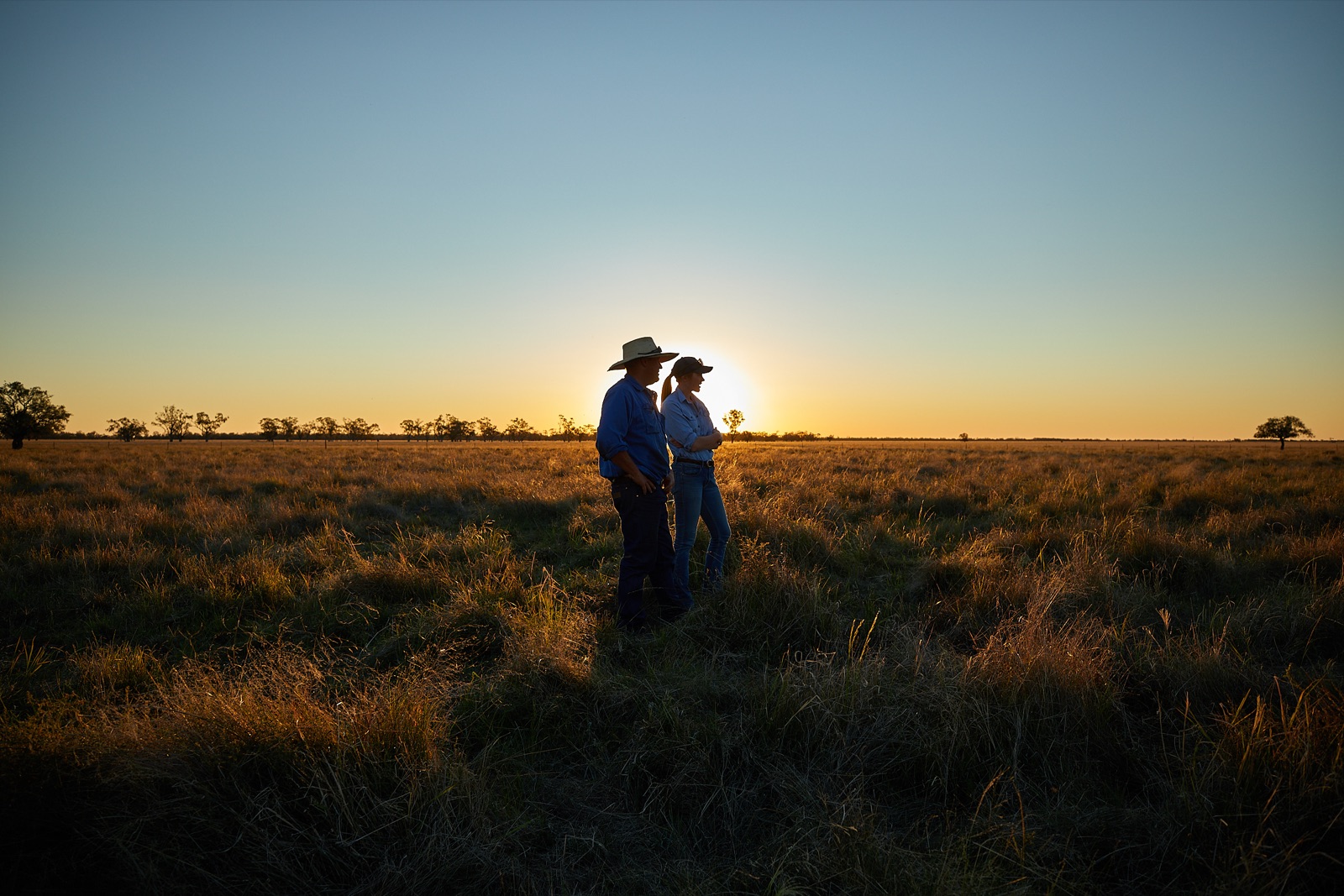

What happens next
Once the ITC issues its questionnaires, the response window is expected to be short — likely measured in weeks. See the full timeline with current status →
Join and stay updated
Sign up so you hear the moment the ITC questionnaires open and get updates in plain language.
Prepare your evidence
Before the questionnaires issue, get your records in order — see the checklist in Take Action.
Respond when questionnaires open
ITC questionnaires open July 30, 2026 — allow 20–40 hours to complete.